
close
Choose Your Site
Global
Social Media
Views: 0 Author: Site Editor Publish Time: 2026-05-12 Origin: Site


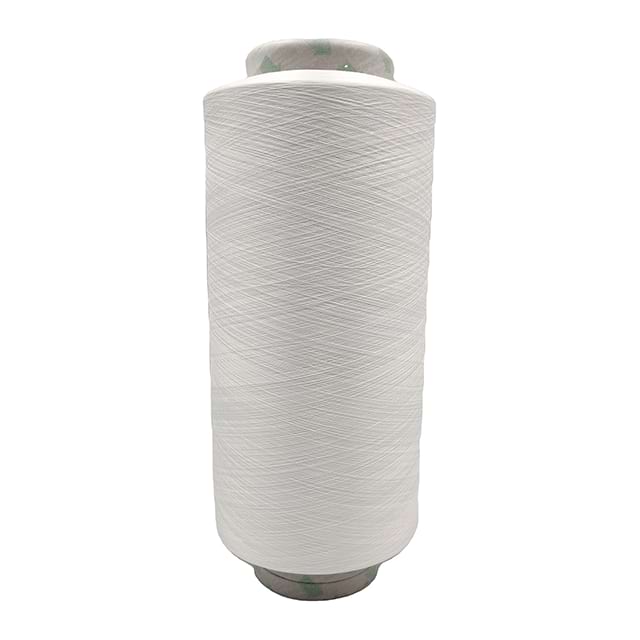
Nylon DTY Yarn is a textured nylon filament yarn designed to provide stretch, softness, durability, and stable fabric performance, making it especially suitable for manufacturers that need reliable yarn for elastic, comfortable, and long lasting textile products.
As textile buyers compare materials for comfort, function, cost control, and production consistency, Nylon DTY Yarn often becomes a practical choice. It can help factories create fabrics that feel smooth against the skin, recover well after stretching, and maintain structure through repeated use. Product pages on the referenced website position Nylon DTY Yarn for uses such as underwear, socks, sportswear, swimwear, lace fabric, and knitting, with custom color support and common delivery lead times noted on product listings.
The following guide explains the types, manufacturing process, applications, selection standards, and business value of Nylon DTY Yarn so sourcing teams, product developers, and textile manufacturers can make more confident purchasing decisions.
Section | Summary |
|---|---|
Understanding the Different Types of Nylon Yarn | This section explains common nylon yarn categories, including Nylon DTY Yarn, FDY yarn, monofilament yarn, covered yarn, and dyed nylon yarn, helping buyers understand which structure best fits different fabric requirements. |
The Manufacturing Process Behind High Quality Nylon Yarn | This section describes how nylon yarn is made, textured, dyed, wound, inspected, packed, and prepared for shipment, with attention to consistency, color control, and production stability. |
Key Applications of Nylon Yarn in Various Industries | This section covers how Nylon DTY Yarn supports socks, seamless underwear, sportswear, swimwear, lace fabric, knitting, footwear, narrow fabrics, bags, luggage, and home textile applications. |
How to Choose the Right Nylon Yarn for Your Specific Needs | This section gives B2B buyers practical criteria for choosing Nylon DTY Yarn by denier, filament count, stretch level, color, dyeing method, package form, end use, MOQ, sampling, and supplier support. |
Why Nylon Yarn Is a Preferred Material for Textile Manufacturers | This section summarizes why textile factories prefer Nylon DTY Yarn for durability, stretch recovery, comfort, production efficiency, customization, and broad market adaptability. |

Nylon yarn comes in several forms, and Nylon DTY Yarn is one of the most widely used options when manufacturers need a combination of elasticity, bulk, softness, and reliable knitting or weaving performance.
Nylon yarn is a synthetic filament yarn made from polyamide fibers. In textile production, it is valued because it can be engineered into different structures for different performance goals. A sock manufacturer may need stretch and recovery. A lace fabric producer may need fine yarn with smooth touch. A bag or luggage producer may care more about strength and abrasion resistance. This is why understanding yarn type is the first step in choosing the right material.
Nylon DTY Yarn stands for nylon draw textured yarn. The yarn is processed through drawing and texturing, which gives it a bulkier, more elastic, and softer structure than flat filament yarn. This makes Nylon DTY Yarn especially useful in garments and fabrics that must move with the body. On the referenced product pages, Nylon DTY Yarn is described for applications including underwear, socks, sportswear, swimwear, lace fabric, and knitting, which reflects its role in flexible and comfort oriented textiles.
Other nylon yarn types serve different purposes. Nylon FDY yarn, or fully drawn yarn, is usually smoother and more stable, making it suitable where strength and dimensional consistency matter. Monofilament yarn is a single filament yarn, often used where a firm structure, transparency, or specific technical function is required. Spandex covered yarn combines an elastic core with covering fibers, making it suitable for stretch fabrics that need stronger recovery. Dyed nylon yarn, including hank dyed options, is important when color accuracy and shade variety are central to the final product.
For B2B buyers, the key point is that no single nylon yarn type is best for every application. Nylon DTY Yarn is often preferred when the finished product requires soft texture, stretch, comfort, and resilience. FDY may be better when the goal is smoothness and tensile stability. Covered yarn may be more suitable when high elasticity is essential. Monofilament yarn may fit technical or structural textile needs.
Nylon Yarn Type | Main Feature | Common Use |
|---|---|---|
Nylon DTY Yarn | Textured, soft, elastic, bulky | Socks, seamless underwear, sportswear, swimwear, lace fabric, knitting |
Nylon FDY Yarn | Smooth, stable, strong | Woven fabrics, technical fabrics, strength focused textiles |
Monofilament Yarn | Single filament structure | Mesh, special fabrics, technical applications |
Spandex Covered Yarn | Elastic core with yarn covering | Stretch garments, socks, underwear, elastic fabrics |
Hank Dyed Nylon Yarn | Dyed in hank form for color variety | Socks, fashion knitting, color matched textile programs |
For manufacturers developing skin contact products, Nylon DTY Yarn offers a strong balance between comfort and performance. The textured structure can improve fabric bulk and softness, while nylon itself contributes durability. This is why Nylon DTY Yarn is commonly considered for products that need to withstand frequent wear while maintaining a smooth and flexible feel.
When comparing options, buyers should avoid judging Nylon DTY Yarn only by price per kilogram. Yarn count, filament number, dyeing consistency, package quality, elasticity, shrinkage, color fastness, and after sales support can all affect production cost. A slightly cheaper yarn may create higher waste, more machine stops, or inconsistent fabric quality. A better Nylon DTY Yarn can reduce downstream risk and help factories deliver more stable finished products.
For buyers sourcing yarn for flexible textile production, textured nylon yarn for knitting and stretch fabrics is a practical product category to evaluate when softness, strength, and adaptability are all important.
High quality Nylon DTY Yarn is produced through controlled spinning, drawing, texturing, dyeing or color preparation, winding, inspection, packing, and shipment management to ensure stable strength, color, elasticity, and package performance.
The production of Nylon DTY Yarn begins with nylon polymer material, which is melted and extruded through spinnerets to form continuous filaments. These filaments are then cooled, drawn, and processed to achieve the required strength and fineness. Drawing aligns the molecular structure of the filaments, improving yarn strength and stability. For Nylon DTY Yarn, texturing is the key step that transforms smooth filament into yarn with bulk, stretch, and a more textile friendly hand feel.
Texturing changes the physical form of the yarn. Through heat, mechanical movement, and controlled tension, the yarn develops crimp and elasticity. This helps Nylon DTY Yarn perform well in stretch fabrics and knitted constructions. In practical manufacturing, stable texturing is essential because uneven tension or heat can lead to uneven bulk, dyeing variation, or inconsistent fabric appearance. For B2B factories, these inconsistencies can create visible defects in socks, underwear, sportswear, and swimwear.
Dyeing and color management are also critical. Some Nylon DTY Yarn is supplied in raw white for later dyeing, while other yarn is dyed before delivery. Product information on the referenced site notes hank dyed color options, a wide range of colors, and the ability to make colors according to customer requirements. This is important for buyers producing seasonal collections, private label goods, or repeat orders that require shade consistency.
A reliable Nylon DTY Yarn manufacturing workflow usually includes several control points:
Raw material selection
The base nylon quality affects strength, elongation, dyeability, and consistency.
Filament formation
Spinneret quality and spinning control affect yarn evenness and filament structure.
Drawing control
Drawing affects tenacity, elongation, and dimensional stability.
Texturing control
Texturing determines bulk, stretch, softness, and recovery.
Dyeing or color matching
Color consistency is essential for bulk garment and fabric production.
Winding and package formation
Good package shape supports smooth unwinding during knitting or weaving.
Inspection and testing
Testing confirms quality, color, technical specifications, and customer requirements.
Packing and shipping preparation
Stable packing reduces damage, contamination, and handling risk during transportation.
The service page of the referenced website highlights support steps including sampling, plan design, production control, inspection, packing, and shipping documents. It also mentions quality control measures during production, including testing, inspections, verification, and checks against customer requirements for quality, color consistency, and technical specifications.
For textile manufacturers, winding quality is often underestimated. A yarn may meet basic strength requirements, but if the cone is poorly wound, it can cause tension variation, yarn breakage, machine downtime, or uneven fabric texture. Product listings reference cone weights such as 0.8 kg or 1.0 kg for certain Nylon DTY Yarn products, which matters for production planning and machine efficiency.
A high quality Nylon DTY Yarn supplier should provide not only product availability but also technical communication. Before bulk orders, buyers often need sample confirmation, color chart review, trial knitting, and feedback on denier or filament options. Product pages from the referenced site mention sample availability in 1 to 2 days and typical delivery of 15 to 20 days on certain listings, which can help buyers plan development and production timelines.
In B2B sourcing, process reliability is directly connected to commercial value. If Nylon DTY Yarn is made with stable tension, proper texturing, consistent dyeing, and careful packing, manufacturers can reduce defect rates and improve delivery reliability. This is especially important for export orders, where delayed production or rejected fabric can affect buyer relationships and repeat business.
Nylon DTY Yarn is widely used in industries that require elastic, durable, soft, and lightweight fabrics, including socks, seamless underwear, sportswear, swimwear, lace fabric, knitting, footwear, narrow fabrics, bags, luggage, automotive upholstery, and home textiles.
The value of Nylon DTY Yarn comes from its ability to support both comfort and performance. It is strong enough for repeated wear, yet soft enough for close to skin garments. It stretches and recovers well, making it suitable for body fitting fabrics. It can also be dyed in many colors, allowing manufacturers to meet fashion and functional requirements. Product category information on the referenced website places Nylon DTY Yarn alongside other yarn and thread options and includes application categories such as seamless series, socks series, footwear series, narrow fabric series, bags and luggage series, automotive upholstery series, furniture and home textile series, and sewing thread.
Socks and hosiery
Socks require yarn that can handle friction, moisture exposure, stretching, washing, and repeated wear. Nylon DTY Yarn is often used because it provides durability while contributing to a soft and elastic fabric structure. For sock manufacturers, yarn consistency affects not only comfort but also machine efficiency, size stability, and appearance. The referenced product page specifically describes Nylon DTY Yarn in hank dyed color as suitable for socks knitting.
Seamless underwear
Seamless underwear requires smooth touch, stretch recovery, and stable knitting performance. Nylon DTY Yarn can support body hugging garments that need comfort and flexibility. Because seamless garments are often made with circular knitting technology, yarn uniformity is critical. Uneven yarn may cause streaks, holes, or tension problems. A stable Nylon DTY Yarn helps improve finished garment quality and reduce waste during production.
Sportswear
Sportswear fabrics must stretch, recover, resist abrasion, and remain comfortable during movement. Nylon DTY Yarn is useful for leggings, training tops, compression garments, yoga wear, and athletic base layers. Its textured structure helps create fabrics with a fuller touch and better elasticity. When blended or knitted with spandex covered yarn, Nylon DTY Yarn can support higher stretch and better fit.
Swimwear
Swimwear requires elasticity, softness, and resistance to repeated stretching. Nylon DTY Yarn can be used in swimwear fabrics where comfort and flexible fit are important. Manufacturers should also consider finishing, dyeing, color fastness, and fabric construction when producing swimwear because exposure to water, sunlight, and chemicals may affect long term fabric performance.
Lace fabric and fashion knitting
Fine Nylon DTY Yarn can be used in lace fabric, decorative knitting, and lightweight fashion materials. Its smooth texture and dyeing potential make it suitable for products that need both appearance and comfort. In lace applications, yarn evenness is especially important because visual defects are easy to see.
Footwear, narrow fabric, bags, and luggage
Beyond garments, nylon yarn also supports performance textile components. In footwear, it may be used in uppers, linings, tapes, or knitted components. In narrow fabric, it can support elastic tapes, webbing, and binding materials. For bags and luggage, nylon based yarns can contribute to abrasion resistance and durability, depending on yarn type, fabric construction, and finishing.
Application | Why Nylon DTY Yarn Fits | Buyer Focus |
|---|---|---|
Socks | Stretch, softness, durability | Color consistency, machine performance, wear resistance |
Seamless underwear | Skin comfort, recovery, smooth fabric | Fine denier, elasticity, evenness |
Sportswear | Movement comfort, abrasion resistance | Stretch level, recovery, fabric weight |
Swimwear | Flexible fit, smooth touch | Color fastness, elasticity, finishing compatibility |
Lace fabric | Fine texture, decorative appearance | Yarn evenness, dyeing quality |
Knitting | Stable processing, soft hand feel | Cone quality, tension stability, count accuracy |
Footwear | Durability and textile flexibility | Strength, abrasion resistance |
Bags and luggage | Long lasting textile structure | Tenacity, construction compatibility |
For product developers, Nylon DTY Yarn allows wide fabric design freedom. A single manufacturer may use different deniers and colors of Nylon DTY Yarn across socks, underwear, and sportswear programs. This can simplify sourcing while keeping flexibility across multiple product lines.
When buyers need a material for close fitting and flexible products, Nylon DTY Yarn for socks, underwear, and sportswear is highly relevant because it connects directly to several high demand textile categories.
To choose the right Nylon DTY Yarn, buyers should define the end use first, then evaluate denier, filament count, stretch, color, dyeing method, cone weight, sample approval, delivery time, quality control, and supplier customization support.
The best Nylon DTY Yarn for one application may not be suitable for another. A sock factory may need yarn with good stretch and abrasion resistance. A lace fabric producer may require finer yarn with excellent evenness. A sportswear manufacturer may need yarn that performs well with spandex and supports high recovery. A swimwear producer may focus on softness, elasticity, color performance, and finishing compatibility. Therefore, the selection process should begin with the final product, not the yarn price alone.
The first technical factor is denier. Denier describes yarn thickness. Finer deniers are often used for lightweight, soft, and smooth fabrics, while heavier deniers may support stronger or more durable constructions. Filament count also matters. Higher filament count can create a softer feel, while lower filament count may create a different texture and strength profile. Buyers should ask for specifications that match their machines and fabric targets.
The second factor is elasticity and recovery. Nylon DTY Yarn is chosen for textured stretch performance, but not all Nylon DTY Yarn behaves the same. Texturing process, yarn count, and heat setting can influence stretch, bulk, and recovery. For socks, underwear, and sportswear, poor recovery may cause loose fit or deformation after use. Trial production is the best way to confirm performance.
The third factor is color. Buyers can choose raw white, dyed yarn, or custom color options depending on production workflow. Product information on the referenced site mentions wide color availability, customer color requirements, and sample or color chart support on certain Nylon DTY Yarn pages. For B2B buyers, color consistency should be confirmed before bulk production, especially for repeat orders or garment programs with strict shade standards.
The fourth factor is package form and cone weight. Poor cone formation may create yarn feeding problems, even when the yarn itself is acceptable. Product listings mention cone weight examples such as 0.8 kg or 1.0 kg for certain hank dyed Nylon DTY Yarn products. Buyers should confirm whether cone size, package density, and winding style match their knitting or weaving equipment.
The fifth factor is quality control and supplier service. A supplier that supports sampling, production control, inspection, packing, and shipping documents can reduce sourcing risk. The referenced service page emphasizes one stop support for custom DTY yarn and nylon yarn, including quality control during production and verification of quality, color consistency, and technical specifications.
Before placing a bulk order for Nylon DTY Yarn, B2B buyers can use this checklist:
Selection Item | What to Confirm | Why It Matters |
|---|---|---|
End use | Socks, underwear, sportswear, swimwear, lace, knitting | Determines yarn count, stretch, color, and finishing needs |
Denier | Fine, medium, or heavier yarn count | Affects fabric weight, softness, and strength |
Filament count | Number of filaments in yarn | Influences hand feel and surface appearance |
Stretch level | Bulk, elasticity, recovery | Important for fit and comfort |
Color | Raw white, dyed, custom color | Affects production workflow and shade control |
Dyeing method | Hank dyed or other color process | Influences color depth and uniformity |
Cone weight | Example 0.8 kg or 1.0 kg where applicable | Impacts production efficiency and machine setup |
Sample | Sample and color chart availability | Helps verify quality before bulk order |
Lead time | Development and bulk delivery schedule | Supports production planning |
Inspection | Testing and specification checks | Reduces quality risk |
A practical sourcing process may include the following steps:
Share the final product application and fabric target
Tell the supplier whether the Nylon DTY Yarn will be used for socks, underwear, sportswear, swimwear, lace fabric, or another textile product.
Request suitable specifications
Ask for recommended denier, filament count, color options, and cone package details.
Confirm sample quality
Test the Nylon DTY Yarn on actual machines before confirming bulk order.
Check fabric performance
Review stretch, hand feel, dyeing result, appearance, and defect rate after trial production.
Confirm bulk order requirements
Finalize color, packing, delivery time, technical specifications, and inspection standards.
Keep reference samples
Store approved samples for future comparison and repeat orders.
For buyers who need a reliable option for trial development, customizable Nylon DTY Yarn for textile production can be evaluated as part of a structured sourcing process.
One common sourcing mistake is focusing only on the lowest price. Nylon DTY Yarn affects machine efficiency, fabric quality, customer satisfaction, and delivery reliability. If the yarn creates frequent breakage, uneven fabric, or inconsistent color, the hidden cost can be much higher than the price difference. A better approach is to compare yarn based on total production value.
Another mistake is skipping sample testing. Even when the specification looks correct, actual machine performance may vary. Testing helps identify whether the Nylon DTY Yarn runs smoothly, whether the fabric meets the required hand feel, and whether the color matches expectations. For export oriented manufacturers, this step is especially important because bulk quality issues can cause costly delays.
Nylon DTY Yarn is preferred by textile manufacturers because it offers a strong balance of durability, elasticity, softness, color versatility, production adaptability, and cost effective performance across multiple fabric categories.
Textile manufacturers choose yarn based on how it performs in production and in the final product. Nylon DTY Yarn meets both needs. In production, it can run well in knitting and weaving when properly specified and wound. In finished fabrics, it can provide comfort, flexibility, strength, and a smooth surface. This combination makes Nylon DTY Yarn valuable for companies that need dependable materials across multiple product lines.
The first major advantage is durability. Nylon is known for strength and abrasion resistance, which matters for socks, sportswear, footwear, bags, and luggage. Product information on the referenced site describes durable Nylon DTY Yarn as made from premium nylon with high strength and the ability to withstand friction in industrial scenarios and frequent wear in consumer goods.
The second advantage is elasticity and comfort. Nylon DTY Yarn has a textured structure that supports stretch, bulk, and softness. Product descriptions on the referenced website describe high stretch Nylon DTY Yarn as offering stretchability that allows garments and fabrics to adapt to movement. This is especially important for body fitting garments, athletic products, and everyday comfort textiles.
The third advantage is application flexibility. One yarn category can support many products, including underwear, socks, sportswear, swimwear, lace fabric, and knitting. This helps manufacturers simplify supplier management while developing different product collections. For factories serving multiple buyers, Nylon DTY Yarn can be an efficient material platform.
The fourth advantage is color and customization potential. Fashion and performance textile buyers often require many colors, seasonal shades, or customer specific color matching. Referenced product pages mention dyed color options, wide color ranges, and the ability to make colors according to customer requirements. This supports private label programs and repeat production.
The fifth advantage is sourcing efficiency. When suppliers provide samples, production control, inspection, packing support, and shipping documents, buyers can reduce communication costs and project risk. The referenced service page highlights sampling, plan design, production control, inspection, packing, and shipping document support.
